Intelligence at the Edge: How AI-Powered Industrial Cameras are Redefining Machine Vision
The landscape of industrial automation is undergoing a massive paradigm shift. As production lines become faster and quality standards more stringent, traditional machine vision—which relies on transferring massive amounts of raw data to centralized servers—is hitting its limits.
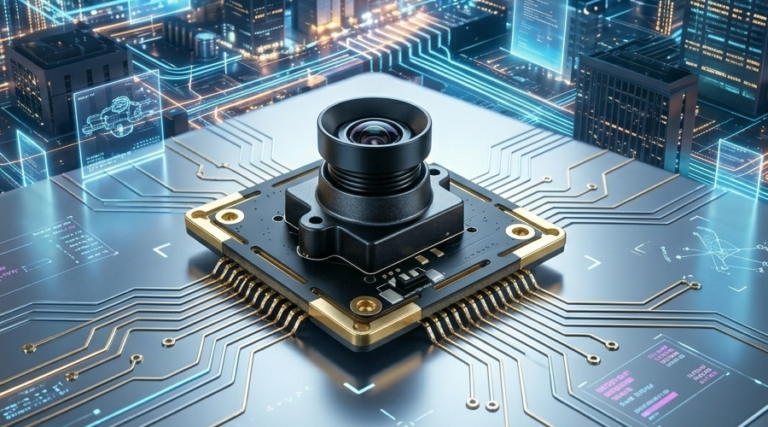
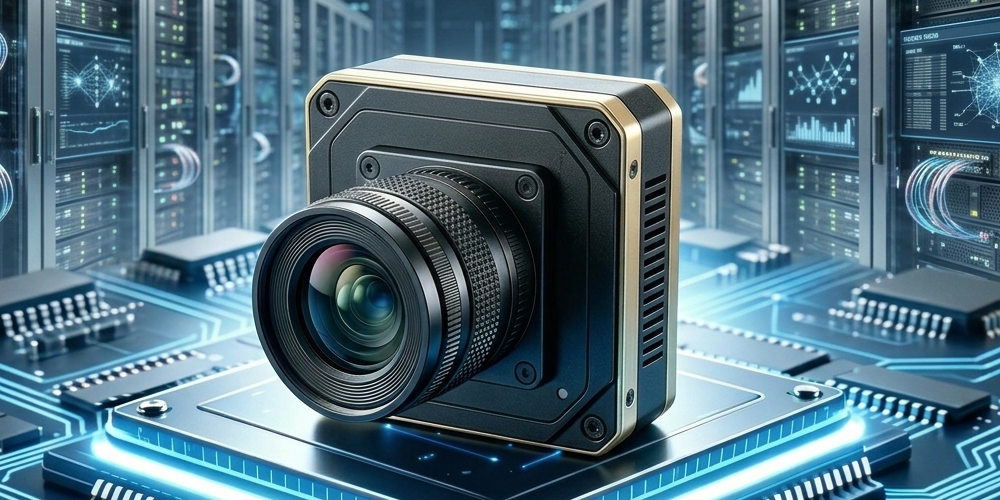
To bridge this gap, [Your Company Name] is proud to showcase our latest line of AI Industrial Cameras integrated with Advanced Edge Computing. By embedding artificial intelligence directly into the camera hardware, we are bringing real-time brainpower to the very edge of the industrial process.
What is AI Edge Computing in Machine Vision?
Traditionally, an industrial camera acted merely as an “eye,” capturing images and sending them via long cables to a powerful PC or cloud server for analysis. This process introduced latency, consumed immense bandwidth, and created single points of failure.
Our new AI Edge Cameras change the game. Equipped with high-performance neural network accelerators (NPUs) built right into the camera module, these devices act as both the eye and the brain. The camera captures high-resolution imagery and processes complex AI algorithms—such as object classification, defect detection, and predictive analytics—locally, within milliseconds.
Key Advantages of AI Edge Cameras
Zero-Latency Decision Making: By eliminating the need to transmit data packets to a distant server, the camera makes pass/fail decisions instantly. This is crucial for high-speed sorting and real-time robotic arm guidance.
Drastic Bandwidth and Storage Savings: Instead of streaming heavy, uncompressed video feeds over the factory network, the AI camera only transmits metadata, alerts, or specific anomaly snapshots, keeping your network lean and secure.
Enhanced Operational Reliability: Even if the central factory network experiences a glitch or downtime, the edge-computing camera continues to operate autonomously on the line, preventing costly production halts.
Privacy and Data Security: Because the raw visual data is processed locally and discarded immediately after analysis, sensitive intellectual property and factory floor data never leave the device unsecured.
Empowering Next-Gen Industrial Applications
Our AI Edge Industrial Cameras are already transforming key sectors:
Autonomous Quality Inspection: Instantly identifying microscopic surface scratches, missing components, or soldering defects on high-speed assembly lines with accuracy that surpasses human capability.
Smart Logistics & Automated Guided Vehicles (AGVs): Allowing logistics robots to navigate dynamic environments, read complex labels on the fly, and recognize obstacles safely without cloud dependence.
Predictive Maintenance: Monitoring the physical wear and tear of mechanical components through continuous visual behavior analysis, alerting engineers before a machine breakdown occurs.
Shaping the Future of Smart Manufacturing
“The future of industrial automation is decentralized and smart,” said [Name], [Title] at [Your Company Name]. “By fusing elite optical sensors with robust AI edge computing capabilities, we aren’t just selling cameras—we are deploying autonomous inspectors that help factories achieve zero-defect manufacturing and unprecedented efficiency.”